Disclosure: As an Amazon Associate, I may earn from qualifying purchases. This article is informational and based on publicly available product details, not hands-on testing.
Most households don’t run on one kind of coffee. One person wants a quick cup before leaving, another wants a full pot on a slow weekend, and a third has switched to iced coffee all year. Appliances that handle only one of those jobs leave people with a crowded counter or a compromise.
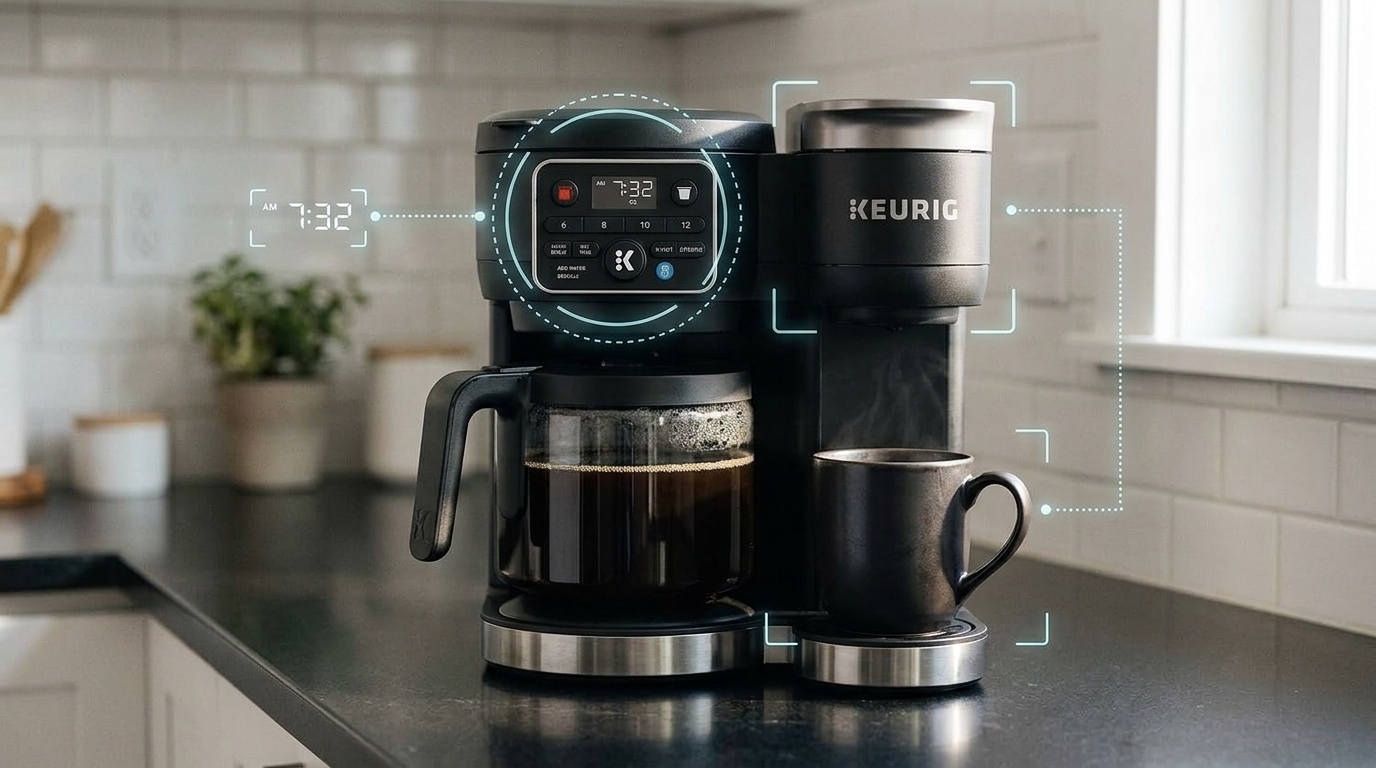
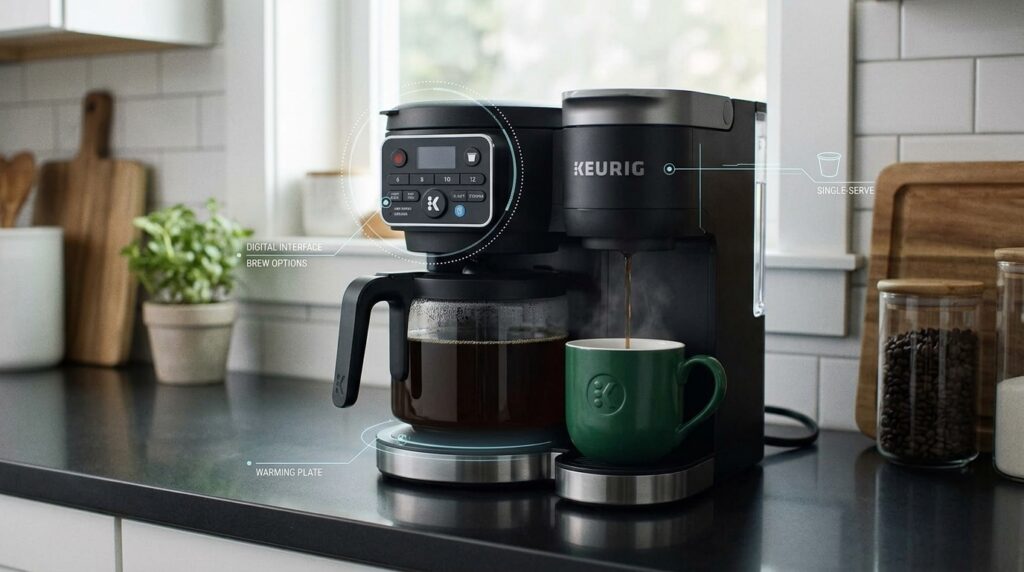
The Keurig K-Duo Hot & Iced Single Serve & Carafe Coffee Maker (Gen 2) is built for that mixed situation. It combines pod-based single-serve brewing with a carafe option, adds an iced brewing setting, and uses a large 72oz reservoir. This guide covers what those features mean, how people might use them, and what to weigh before deciding whether this kind of machine fits your kitchen.
What Is the Keurig K-Duo Hot & Iced (Gen 2)?
It’s a hybrid brewer. A traditional drip machine makes a pot, and a pod brewer makes one mug at a time. The K-Duo line puts both functions in one appliance, so you can pick the format that suits the moment.
The Gen 2 version, as described in its product listing, adds a few things worth looking at:
- Single-serve and carafe brewing in the same unit
- Hot and iced beverage options
- MultiStream Technology, Keurig’s name for its pod-brewing design
- A 72oz water reservoir, larger than many compact brewers carry
Some of these features are easy to understand from the name. Others are worth a closer look.
Key Features Explained
Dual Brewing: Pods and Carafe
The main idea is flexibility. In single-serve mode, you brew a K-Cup pod directly into a mug or travel tumbler. In carafe mode, you brew a larger batch using ground coffee, which is useful when several people want coffee at once.
Ground coffee carries some practical advantages. You can buy whole beans or bagged grounds from a local roaster, choose a grind you like, and brew a batch for the household. Pods offer a different kind of ease: no measuring, little cleanup, and a wide range of flavors from major brands.
Because the carafe side uses a filter basket, check the product listing for what’s included and what type of filter it uses. The details can vary between models and generations.
MultiStream Technology
Keurig describes MultiStream Technology as a pod-brewing design that spreads hot water through the pod in several streams rather than one, with the aim of wetting the grounds more evenly. Even saturation is a sound principle in coffee brewing, since uneven contact between water and grounds can leave some coffee over-extracted and some under-extracted.
Taste is subjective, and results depend on the pod, the water, and the cup size. It’s reasonable to see this as a design approach aimed at consistency rather than a guarantee of any particular flavor.
Hot and Iced Options
The iced setting is a notable addition. Pouring regular hot coffee over ice dilutes it, because the ice melts and waters the drink down. Iced settings generally brew a more concentrated cup so that it holds up better when it meets ice. The result depends on the pod or grounds you use and how much ice goes into the glass.
For anyone who drinks iced coffee often, this can mean fewer steps than the usual workarounds, such as overnight cold brew or chilling a pot in the fridge. It won’t replicate a long, slow cold brew, which is a different process with a different flavor profile. It simply offers a faster way to get a cold coffee drink.
The 72oz Reservoir
A 72oz reservoir is a practical detail more than a headline feature. A bigger tank means fewer refills. In a household where several cups get brewed each morning, or where a carafe is brewed often, that can reduce the daily routine of topping off water.
There are a couple of trade-offs. A larger reservoir takes up more room on the counter, and the water inside should be changed regularly, since water that sits too long can taste stale. Check the listing for the machine’s exact dimensions to confirm it fits under your cabinets.
Programmable and Convenience Features
Machines in this category often include features such as programmable brew timing, strength or size selection, and automatic shut-off. Specific options can differ between versions, so it’s best to read the current specifications on the product page rather than assuming.
How It Can Be Used
Features only matter if they fit how you actually drink coffee. Here are some common scenarios where a dual-format machine can be handy.
The Weekday Rush
On a typical workday, speed matters. Pod brewing suits the single cup you drink on your way out the door. You place the pod, choose a size, and fill a travel mug while you find your keys.
Slow Weekend Mornings
When family or guests are around, the carafe function earns its keep. Brewing a batch of ground coffee means everyone can pour a cup without queuing behind a one-cup brewer.
Mixed Preferences in One Household
One person likes dark roast, another drinks decaf, and a third prefers flavored coffee. A hybrid brewer lets each person take a different route. Someone can use a pod for decaf while the carafe holds a regular brew for everyone else.
Iced Coffee Season
If you drink iced coffee through warmer months, the iced setting simplifies things. Fill a glass with ice, brew over it, and add milk or a sweetener if you like. You can also try flavored syrups or a splash of cream for a coffeehouse-style drink at home.
Entertaining
Hosting a brunch, a small gathering, or a family visit puts different demands on a coffee setup. The carafe handles the group, while single-serve pods cover the guest who wants tea, hot cocoa, or a decaf option. Many pod brands also make tea and cocoa varieties, which broadens what the machine can serve.
Home Office Use
For anyone working from home, a coffee maker doubles as a time-out ritual. A pod brewer allows a fresh cup on demand without brewing a full pot that goes cold by mid-afternoon.
Practical Tips for Better Results
Whatever machine you use, small habits make a visible difference in the cup.
Start with good water. Coffee is mostly water, and its quality affects taste. If your tap water has a strong flavor, filtered water usually improves the result. It can also reduce mineral buildup inside the machine.
Match the pod to the cup size. Brewing a pod into a larger mug than the pod is designed for tends to produce a thin, weak cup. Selecting a smaller size generally gives a stronger flavor.
Pre-heat the carafe or mug. Rinsing a glass carafe or mug with hot water before brewing helps keep coffee warm a little longer.
Use fresh grounds. If you’re brewing a carafe, freshly ground coffee tends to taste more vibrant than grounds that have been sitting open for weeks. Store coffee in an airtight container, away from heat and light.
For iced drinks, fill the glass properly. An iced setting is designed to brew over a glass of ice. Using too little ice can leave the drink lukewarm.
Clean on a schedule. Rinse removable parts regularly and descale the machine according to the manufacturer’s instructions. This protects both flavor and the life of the appliance.
Who It May Be Suitable For
No appliance is right for everyone. This kind of machine may appeal to certain households more than others.
Households with different coffee habits. If people at home want different drinks at different times, one machine covering both formats can be convenient.
People who drink both hot and iced coffee. Having both options in a single appliance reduces the need for extra gadgets.
Small families or couples who sometimes host. A single-serve brewer is often enough for daily use, but a carafe is handy when company comes over.
Those short on counter space who still want options. One hybrid unit may take up less room than two separate machines, though the K-Duo itself is not a tiny appliance.
Anyone who values a low-effort morning routine. Pods keep the process simple and clean, while the option to switch to ground coffee gives you room to experiment.
It may be less well suited to people who prefer manual methods, such as pour-over, French press, or espresso, since those approaches offer a level of control a pod or automatic drip system doesn’t. It may also be more machine than needed for someone who drinks one cup a day and has limited space.
Important Things to Consider
A balanced look at any product includes the less glamorous considerations. Here are the main ones to think about before choosing a machine like this.
Size and Counter Space
A unit that combines a pod brewer, a carafe system, and a 72oz reservoir is going to be larger than a basic single-serve machine. Measure the space where it would sit, including the clearance needed for lifting the lid and removing the reservoir.
Pod Waste and Ongoing Cost
Pods are convenient, but they generate waste and generally cost more per cup than buying ground coffee in bulk. Some people use a reusable filter pod (sold separately in many cases) to cut down on waste. If budget or environmental impact matters to you, the carafe side of this machine may become your everyday option, with pods reserved for convenience.
Compatibility
Check which pods the machine is designed to use. K-Cup pods are the standard format for Keurig brewers, but not every pod-style product on the market is the same. Reading the listing helps avoid surprises.
Maintenance
Any coffee machine needs upkeep. Descaling is especially important in areas with hard water, where mineral deposits can build up and affect performance. Plan to follow the cleaning guidelines in the user manual.
Brew Strength and Flavor Expectations
Automatic and pod-based brewers are built for convenience, and the cup they produce can differ from what a manual brewing method or a café espresso machine delivers. If you’re particular about extraction, grind size, or water temperature, you may find a convenience-focused machine less customizable.
Warranty and Support
Product warranties, return windows, and customer support terms differ by seller and region. Review these details on the product page before deciding, and keep your receipt and registration information once you have the machine.
Reading Reviews Thoughtfully
Customer feedback on retail sites can be a useful source of real-world information about durability, noise, and ease of use. Because experiences vary widely, it helps to read a range of comments and look for patterns rather than single opinions.
Comparing General Categories of Coffee Makers
Instead of pitting brands against each other, it’s more useful to compare types of coffee makers and what each one does well.
Single-Serve Pod Brewers
These are built around speed and simplicity. They suit people who want a fresh cup quickly, with minimal cleanup. Their limitations are usually carafe-size capacity, pod waste, and less control over brewing variables.
Traditional Drip Coffee Makers
A classic drip machine brews a full pot from ground coffee. It’s economical for larger groups and familiar to most people. It tends to be less convenient for solo drinkers, since brewing a whole pot for one cup can be wasteful.
Hybrid Machines (Pod + Carafe)
This is where the K-Duo sits. Hybrids try to cover both needs in one appliance, which can reduce clutter and give households options. The compromise is that they may be larger and more complex than single-purpose machines.
Espresso Machines
Espresso makers produce concentrated, pressure-brewed coffee, which is the base for lattes, cappuccinos, and similar drinks. They offer more control and a different flavor profile, but they usually require more skill, time, and maintenance.
Manual Brewing Methods
Pour-over, French press, AeroPress, and similar tools reward attention and technique. They can produce excellent coffee, often at a lower upfront cost, but they take more time and effort each morning.
Cold Brew Systems
Dedicated cold brew makers steep coffee in cold water over many hours, producing a smooth, low-acid concentrate. This differs from the iced setting on a hot-brew machine. If cold brew is your main interest, a dedicated approach may suit you better, while a machine with an iced option offers a quicker alternative.
Each category serves a purpose. The right choice depends on how much time you have, how many people you’re serving, and how much you enjoy the brewing process itself.
Frequently Asked Questions
Can the K-Duo make both a single cup and a full carafe?
According to the product description, yes. The machine is designed to offer both single-serve brewing and carafe brewing, so you can choose depending on the situation. Always confirm the exact carafe capacity and included accessories on the listing.
Does it brew iced coffee?
The product is marketed with a hot and iced option. The iced setting typically brews a stronger beverage meant to be poured over ice. For specifics on how to use it, the user manual is the best reference.
What does the 72oz reservoir mean in everyday use?
It means the machine holds a larger volume of water than many compact brewers, so you may need to refill it less often. It’s a convenience feature, though it also means a bigger footprint and the need to replace the water regularly so it stays fresh.
Can I use my own ground coffee?
The carafe function is intended for ground coffee. For single-serve brewing, the machine uses pods, and many people also use a reusable filter accessory to brew their own grounds in a single-serve format. Check which accessories are included and which are sold separately.
Is it suitable for tea or hot chocolate?
Pod formats often include tea, cider, and cocoa options in addition to coffee, so single-serve brewing can extend beyond coffee. As always, check the instructions for each pod type.
How do I keep it clean?
Regular rinsing of removable parts and periodic descaling are the usual recommendations. Manufacturers publish specific steps and recommended descaling intervals in the user guide, so follow those for your model.
What is MultiStream Technology?
It’s the name Keurig uses for its pod-brewing design, which is meant to distribute water across the pod more evenly. It’s a design feature aimed at consistent extraction rather than a promise of a specific taste.
Is this the same as an espresso machine?
No. Machines like this brew regular-strength coffee using standard drip or pod methods. Espresso involves high pressure and produces a concentrated shot. Some pods are labeled for espresso-style drinks, but the result differs from a true espresso machine.
How does it compare to a regular drip coffee maker?
A standard drip machine brews a full pot, while this machine adds single-serve convenience and an iced option. If you only ever need a pot of coffee, a simpler drip machine may be enough. If you want variety, a hybrid offers more flexibility.
Where can I find the most accurate specifications?
The official product page and user manual are the most reliable places for dimensions, capacity, included parts, and warranty details. Specifications can change between product generations, so always verify against the current listing.
A Few Ideas to Try at Home
If you decide a machine like this suits your routine, these simple ideas can help you get more out of it.
- Iced vanilla coffee: Brew over ice, then stir in a little vanilla syrup and a splash of milk.
- Weekend carafe with a twist: Add a pinch of cinnamon to your grounds before brewing for a gently spiced pot.
- Coffee ice cubes: Freeze leftover coffee in an ice tray, then use the cubes in iced drinks so they don’t water down as they melt.
- Tea on the side: When guests don’t drink coffee, a tea pod or a cup of hot cocoa keeps everyone included.
- Dessert-style coffee: Brew a stronger cup and pour it over a scoop of vanilla ice cream for a quick affogato-inspired treat.
Conclusion
The Keurig K-Duo Hot & Iced Single Serve & Carafe Coffee Maker (Gen 2) is aimed at households that want more than one way to brew. Its main appeal is flexibility. It handles a quick single cup, a full carafe for a group, and a cold drink for warmer days, all from one appliance with a generously sized water tank.
Like any appliance, it comes with trade-offs. It takes up counter space, pods add ongoing cost and packaging waste, and a convenience-focused machine won’t offer the fine control that manual or espresso enthusiasts often want. Weighing those points against your daily habits, the size of your household, and your kitchen layout is the best way to decide whether it fits.